



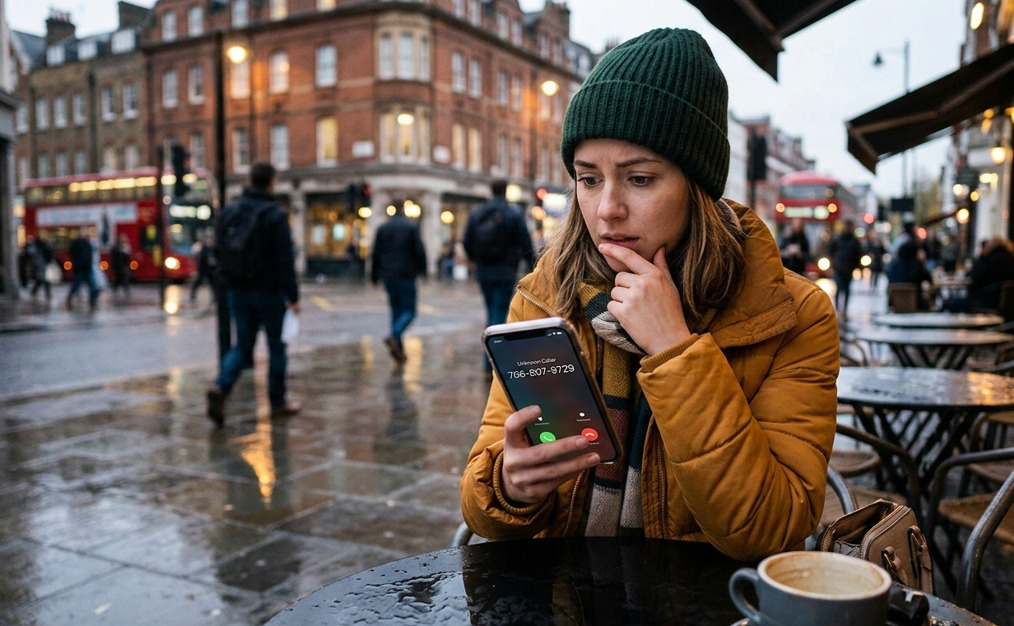
706-807-9729 – In today’s digital world, receiving calls from unknown numbers has become extremely common. Many people across the globe report getting unexpected calls from unfamiliar phone numbers that leave them wondering who is behind them. One such number that has recently attracted attention is 706-807-9729. If you have received a call or message from this number, you may be curious about its origin, purpose, and whether it is safe to respond.
This article explains everything you need to know about this phone number, including where it comes from, possible reasons behind the calls, how to handle suspicious calls, and tips to protect yourself from potential scams.
Understanding the 706 Area Code
The phone number 706-807-9729 belongs to the 706 area code, which is associated with parts of the state of Georgia in the United States.
The 706 area code serves several cities and regions, including:
- Athens
- Columbus
- Rome
- Augusta (some areas)
- Northern and western parts of Georgia
Area codes help identify the geographic region where a phone number was originally registered. However, it’s important to understand that modern technology allows people to use VoIP services and caller ID spoofing, meaning the caller may not actually be located in the same region.
Because of this, a phone number that appears to come from Georgia could actually originate from somewhere completely different.
Why Are People Receiving Calls from 706-807-9729?
There are several possible reasons why someone might receive a call from this number. Not all unknown calls are dangerous, but it is always wise to be cautious.
1. Telemarketing Calls
One of the most common reasons people receive calls from unfamiliar numbers is telemarketing. Companies often use automated dialing systems to contact thousands of people daily to promote products or services.
These calls may include offers related to:
- Insurance services
- Financial products
- Home improvement services
- Online promotions
Telemarketing calls often come from numbers that are not widely recognized.
2. Robocalls
Robocalls are automated phone calls that deliver pre-recorded messages. These calls are typically generated by computer systems that dial large lists of phone numbers.
Common robocall messages may involve:
- Warranty expiration notices
- Loan or credit offers
- Healthcare plan promotions
- Survey requests
If the call starts with a recorded voice rather than a real person, it is most likely a robocall.
3. Wrong Number or Accidental Call
Sometimes the reason is completely harmless. Someone may simply dial the wrong number accidentally. In such cases, the caller usually hangs up quickly or apologizes if you answer.
However, repeated calls from the same number may indicate something else.
4. Scam Attempts
Unfortunately, some unknown numbers are connected to scams. Scammers often use random numbers to reach potential victims and attempt to gather personal information.
Some common phone scams include:
- Fake bank verification calls
- IRS or tax authority impersonation
- Lottery or prize scams
- Tech support scams
In many cases, scammers use caller ID spoofing to make their number look legitimate.
Signs That a Call May Be Suspicious
If you receive a call from 706-807-9729 or any other unfamiliar number, watch for warning signs that could indicate a scam.
Here are some red flags to be aware of:
Urgent Requests
Scammers often create a sense of urgency. They may say something like:
- “Your account will be locked immediately.”
- “You must act now to avoid penalties.”
- “This offer is only valid today.”
These tactics are designed to pressure people into making quick decisions without thinking carefully.
Requests for Personal Information
Legitimate organizations rarely ask for sensitive information over the phone.
Be cautious if the caller asks for:
- Bank account numbers
- Credit card details
- Social security numbers
- One-time passwords (OTP)
Sharing such information could lead to identity theft or financial loss.
Unusual Payment Requests
Another common scam tactic involves asking for payment in unusual ways.
Scammers may request payment through:
- Gift cards
- Cryptocurrency
- Wire transfers
- Payment apps
Real companies rarely use these methods for official payments.
What Should You Do If This Number Calls You?
If you receive a call from 706-807-9729, it is best to take a careful and practical approach.
1. Do Not Panic
Receiving a call from an unknown number does not automatically mean it is dangerous. Many unknown calls are harmless or accidental.
2. Let the Call Go to Voicemail
If you are unsure about the caller, allow the call to go to voicemail. If the call is important, the caller will usually leave a message explaining the reason for contacting you.
3. Avoid Calling Back Immediately
Sometimes scammers rely on curiosity. When people call back unknown numbers, they may unknowingly connect to premium-rate lines that charge high fees.
4. Block the Number
If the number repeatedly calls you without a clear reason, you can block it on your phone. Most smartphones provide simple options to block unwanted callers.
5. Report Suspicious Calls
If you suspect the call is part of a scam, consider reporting it to relevant consumer protection agencies or spam reporting services.
Reporting suspicious numbers helps authorities track and prevent fraudulent activity.
How to Protect Yourself from Phone Scams?
Phone scams are becoming increasingly sophisticated, but there are several steps you can take to protect yourself.
Use Caller Identification Apps
Applications such as spam detection apps can help identify unknown numbers and warn users about potential scams.
Do Not Share Sensitive Information
Never provide personal or financial information over the phone unless you are absolutely certain about the caller’s identity.
Register for Do Not Call Lists
In some countries, registering your phone number on a Do Not Call list can reduce telemarketing calls.
Stay Informed
Learning about common scam tactics is one of the best ways to protect yourself. The more informed you are, the less likely you are to fall victim to fraudulent calls.
Why Unknown Numbers Are Increasing?
The rise in unknown calls is largely due to advances in communication technology. Businesses and organizations now use automated systems that can dial thousands of numbers within minutes.
Additionally, internet-based phone systems allow users to obtain phone numbers from various regions without physically being located there.
This is why a call from a number like 706-807-9729 does not necessarily mean the caller is actually located in Georgia.
Final Thoughts
Receiving a call from 706-807-9729 can be confusing, especially if you do not recognize the number. While it may simply be a telemarketing call or an accidental dial, it is always best to remain cautious when dealing with unknown callers.
By avoiding suspicious requests, protecting your personal information, and using blocking or reporting tools when necessary, you can significantly reduce the risks associated with unknown calls.
Remember, the safest approach is to treat unfamiliar numbers carefully and only respond when you are confident about the caller’s identity.
FAQ’s About 706-807-9729
1. Who owns the phone number 706-807-9729?
The exact owner of this phone number is not publicly listed. It appears to be associated with the 706 area code in the state of Georgia, but the caller could be using VoIP or spoofing technology.
2. Is 706-807-9729 a scam number?
There is no confirmed evidence that the number is a scam, but unknown numbers are sometimes used for telemarketing or fraudulent calls. It is best to be cautious when responding.
3. Should I call back 706-807-9729?
It is generally recommended not to return calls to unknown numbers unless the caller leaves a legitimate voicemail explaining the reason for contact.
4. How can I block calls from this number?
Most smartphones allow users to block numbers through the call history menu. Once blocked, the number will no longer be able to call or message you.
5. What should I do if I receive suspicious calls from unknown numbers?
If you receive suspicious calls, avoid sharing personal information, block the number, and consider reporting it to spam reporting services or consumer protection authorities.