



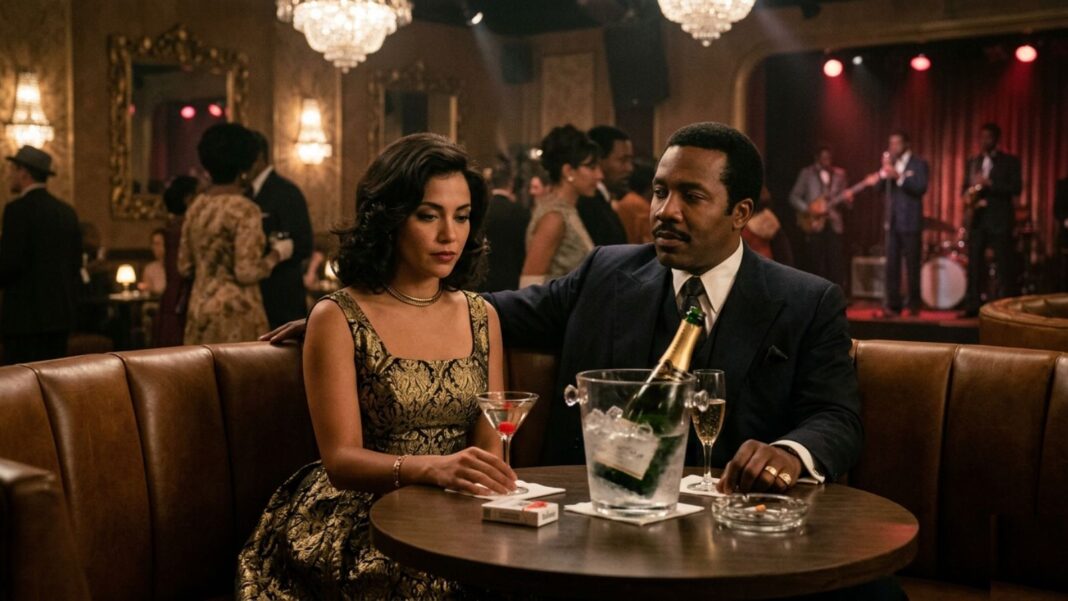
Julie Farrait—also known as Julianna Farrait—is a name that often appears in discussions about one of the most notorious crime figures in American history, Frank Lucas. While Lucas became widely known as a powerful heroin dealer in Harlem during the late 1960s and early 1970s, Julie Farrait’s life became closely tied to his rise, his empire, and eventually his downfall.
Her story is not just about association with a famous criminal. It is about loyalty, luxury, controversy, and consequences that stretched far beyond the collapse of Lucas’ drug empire. To understand Julie Farrait, one must also understand the world she lived in, the choices she made, and the long shadow cast by one of the most infamous drug operations in American history.
Who Is Julie Farrait?
Julie Farrait is best known as the wife of Frank Lucas, a major heroin trafficker who dominated Harlem’s drug trade in the late 1960s and early 1970s. Lucas built a reputation for cutting out middlemen and directly sourcing heroin from Southeast Asia, which made his operation highly profitable and extremely dangerous.
Farrait, originally from Puerto Rico, entered Lucas’ life during the peak of his criminal success. Their relationship developed in a world filled with wealth, power, and constant risk. She was not just a passive figure in his life; she became part of the lifestyle that surrounded his empire.
While public narratives often focus heavily on Lucas, Farrait’s presence adds another layer to the story—one that highlights how personal relationships become deeply entangled with criminal networks.
Life With Frank Lucas: Luxury and Risk
During Frank Lucas’ peak years, his criminal organization generated enormous profits. This wealth created a lifestyle that was both glamorous and dangerous.
Julie Farrait lived through this era of extreme contrast. On one side, there was luxury: expensive clothing, jewelry, cars, and international travel. On the other side, there was constant fear of law enforcement investigations, rival gangs, and internal betrayal.
The “Bumpy” Lifestyle
Frank Lucas was known for his disciplined and low-profile approach to crime. Unlike many street-level dealers, he avoided flashy behavior publicly. However, his private life with Farrait often reflected the wealth his operation generated.
Farrait reportedly experienced a lifestyle far removed from ordinary reality—one defined by privilege but built on illegal activity. This dual existence would later become central to how her life is remembered.
The Fall of Frank Lucas’ Empire
No criminal empire lasts forever, and Frank Lucas’ operation eventually attracted the attention of law enforcement. In the mid-1970s, federal authorities began dismantling his heroin network.
Lucas was arrested and sentenced to prison, marking the end of his dominance in Harlem’s drug trade. However, the consequences extended far beyond him.
Julie Farrait’s life changed dramatically. The wealth, protection, and stability that came from Lucas’ operation disappeared almost overnight. What followed was a period of legal trouble, public scrutiny, and a long struggle to rebuild life outside the shadow of crime.
Julie Farrait’s Own Legal Troubles
One of the most significant parts of Julie Farrait’s story is her own involvement in legal issues connected to drugs and money laundering allegations.
In later years, she was reportedly arrested in connection with drug-related activities, showing that her connection to the criminal world did not completely end with Lucas’ imprisonment. These incidents reinforced her association with the legacy of the Lucas empire, even decades after its collapse.
Her legal troubles also highlight an important reality: individuals connected to major criminal figures often remain under long-term surveillance and scrutiny.
Life After the Empire
After Frank Lucas served his prison sentence and was eventually released, the couple’s lives took on a quieter, more complex form. While they were no longer living the extreme wealth of their earlier years, their names remained tied to one of the most infamous drug stories in American history.
Farrait’s later life has largely remained private compared to the public attention surrounding Lucas. However, her identity continues to be shaped by her association with him.
In many ways, her story reflects the long aftermath of organized crime—not just the arrests and trials, but the lasting personal consequences that follow individuals long after the headlines fade.
Media Portrayal and Public Perception
The story of Frank Lucas and Julie Farrait gained renewed global attention after the release of the film American Gangster (2007), which dramatized Lucas’ life and criminal empire.
While the film focused heavily on Lucas and law enforcement efforts to bring him down, it also sparked renewed interest in the people around him—including Farrait. However, like many true crime adaptations, the film took creative liberties, meaning not all portrayals reflect real-life accuracy.
Public perception of Julie Farrait is often shaped by three main narratives:
- A loyal partner living in a criminal world
- A participant in the lifestyle created by Lucas’ empire
- A figure affected by the consequences of organized crime
The truth is likely more complex, existing somewhere between these interpretations.
The Human Side of a Crime Story
Behind every major criminal case are personal relationships that are often overlooked. Julie Farrait’s life demonstrates how deeply crime can impact families and partners—not just those directly involved in illegal activity.
Her story raises broader questions:
- How does proximity to crime shape a person’s choices?
- Can someone separate their identity from a partner’s actions?
- What happens to individuals after a criminal empire collapses?
These questions are part of why her story continues to attract public attention decades later.
Legacy of Julie Farrait
Julie Farrait’s legacy is not defined by public achievements or criminal leadership, but by her connection to one of the most infamous drug figures in American history.
She remains a symbolic figure in discussions about:
- The Harlem drug trade of the 1960s and 1970s
- The personal lives behind organized crime
- The long-term consequences of criminal empires
- The blurred line between loyalty and complicity
Her life story is a reminder that crime history is not only about criminals and law enforcement—it also involves families, relationships, and personal consequences that continue long after the events themselves.
Conclusion
Julie Farrait’s story cannot be separated from Frank Lucas, but it also cannot be reduced to him. She represents a complex and often overlooked perspective in the history of American organized crime.
From luxury and power to legal struggles and public scrutiny, her life reflects both the allure and the destruction tied to the drug trade. While Frank Lucas’ name dominates history books and films, Julie Farrait’s story adds depth to the narrative—showing the human cost behind the rise and fall of a criminal empire.
FAQs About Julie Farrait
1. Who is Julie Farrait?
Julie Farrait, also known as Julianna Farrait, is best known as the wife of Frank Lucas, a major heroin dealer who operated in Harlem during the late 1960s and early 1970s.
2. What was Julie Farrait’s role in Frank Lucas’ life?
She was his wife and lived closely connected to his lifestyle during the height of his drug empire, sharing in both the luxury and later the consequences of his criminal activities.
3. Was Julie Farrait involved in crime?
She has faced legal issues related to drug activity and money laundering allegations, though her full level of involvement has been widely debated and is not always clearly defined.
4. What happened to Julie Farrait after Frank Lucas was arrested?
After Lucas’ arrest and imprisonment, her life changed significantly. She faced legal troubles and lived a much quieter life compared to the earlier years of wealth and attention.
5. Why is Julie Farrait still talked about today?
She remains a notable figure because of her connection to Frank Lucas and the larger history of the Harlem drug trade, which continues to attract public and media interest.