



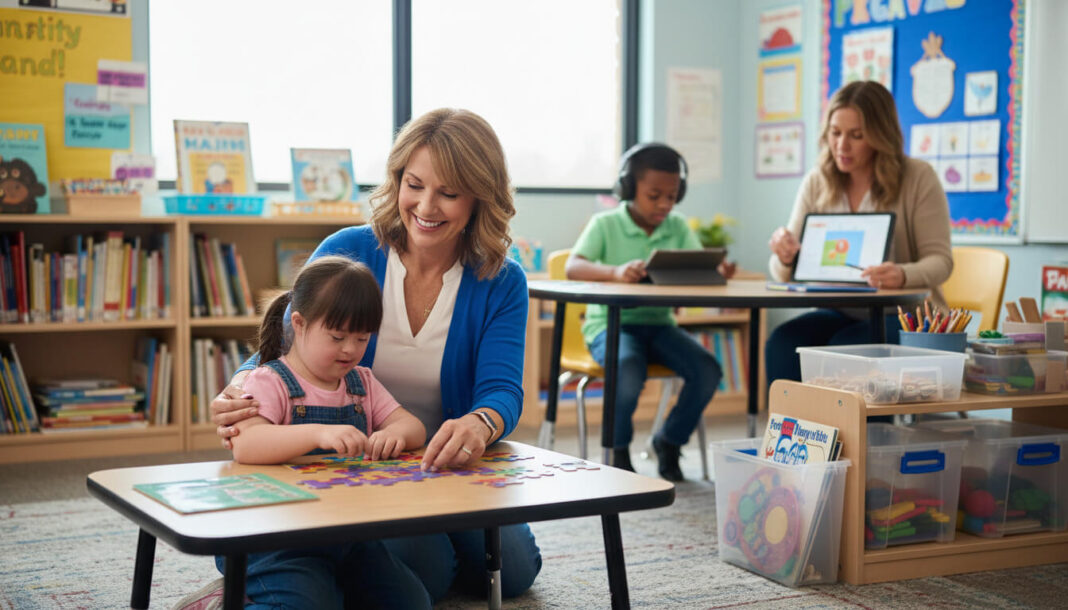
Tracy Carlisi WWP – Education is one of the most important pillars of a strong and healthy community. Every child deserves access to quality learning opportunities that meet their individual needs. In this mission, teachers and school staff play a vital role in shaping the future of young learners. One such dedicated professional is Tracy Carlisi, who works as a paraprofessional in the West Windsor-Plainsboro (WWP) Regional School District. Her focus is on providing special education support to students who have diverse learning needs.
In this article, we will explore who Tracy Carlisi is, what her role involves, and how she makes a difference in the lives of students in the WWP district. We will also discuss the importance of paraprofessionals in education and how they contribute to student growth and development.
Who Is Tracy Carlisi?
Tracy Carlisi WWP is a committed special education paraprofessional serving in the West Windsor-Plainsboro Regional School District, located in New Jersey. Paraprofessionals like Tracy support teachers by working directly with students who require extra help, especially those with special education needs.
Her work focuses on assisting students in various areas, including academic skills, social interactions, and behavioral development. By doing so, Tracy plays a key role in helping these students reach their full potential.
What Is a Paraprofessional?
Before diving deeper into Tracy’s work, it’s important to understand what a paraprofessional is.
A paraprofessional (sometimes called a teacher’s aide or assistant) supports certified teachers in the classroom. They help provide individualized attention to students who need additional support. This is especially crucial in special education, where students may have learning disabilities, developmental delays, or other challenges that require personalized help.
Paraprofessionals assist with:
- Classroom management
- One-on-one student support
- Implementing individualized education plans (IEPs)
- Helping students develop social and behavioral skills
- Supervising activities and transitions
Paraprofessionals do not replace teachers but complement their work by offering hands-on support that makes learning more accessible.
Tracy Carlisi’s Role in WWP Schools
Tracy Carlisi’s role as a paraprofessional at West Windsor-Plainsboro is focused on special education support. Here are some of the key tasks and responsibilities she handles daily:
1. Assisting Academic Learning
Students with special needs often require different teaching methods and materials. Tracy helps by working closely with these students during lessons. She might provide extra explanations, help with reading or math tasks, or guide students through activities to ensure they understand the content.
2. Supporting Social Development
School isn’t just about academics; it’s also where children learn to interact with others. Tracy supports students in building social skills, such as sharing, communication, cooperation, and following group rules. She helps create a positive, encouraging environment where students feel safe to express themselves.
3. Managing Behavior
Behavioral challenges are common among some special education students. Tracy uses strategies recommended by teachers and specialists to help students manage their behavior. This might include calming techniques, positive reinforcement, or helping students follow routines.
4. Encouraging Independence
One important goal is to help students become as independent as possible. Tracy encourages self-help skills, decision-making, and problem-solving. She supports students in taking responsibility for their learning and daily activities.
5. Collaborating with Teachers and Families
Tracy works as part of a team that includes teachers, therapists, counselors, and families. Sharing information and strategies ensures that students receive consistent support both at school and at home.
The Impact of Tracy Carlisi’s Work
The work Tracy does every day has a profound impact on the students she supports. Here’s how:
Improved Learning Outcomes
With Tracy’s assistance, students who might struggle in regular classrooms get the extra help they need to understand lessons better. This can lead to improved grades and a more positive attitude toward learning.
Increased Confidence and Motivation
Special education students often face frustrations. Tracy’s encouragement helps build their confidence, making them more motivated to participate and try new things.
Better Social Skills and Friendships
Learning to interact well with peers is essential for personal growth. Tracy’s support helps students develop friendships and improve their social experiences at school.
Reduced Behavioral Issues
By managing behaviors proactively, Tracy helps create a calm and focused classroom environment. This benefits not just the students she works with but also the entire class.
Challenges Faced by Paraprofessionals Like Tracy
While rewarding, the role of a paraprofessional comes with its own challenges:
- Emotional Demands: Working with children who have special needs requires patience, empathy, and emotional strength.
- Physical Energy: Supporting active students can be physically demanding.
- Need for Continuous Learning: Paraprofessionals often need to update their skills and knowledge to keep up with best practices.
- Balancing Multiple Needs: Every student is unique, and managing diverse needs simultaneously can be challenging.
Despite these challenges, professionals like Tracy remain dedicated to their mission because they see the positive difference they make.
Why Paraprofessionals Are Essential in Education?
The role of paraprofessionals is sometimes overlooked, but they are essential to a successful education system. Their importance includes:
- Providing Personalized Attention: Many students thrive with individualized support that teachers alone cannot always provide.
- Supporting Inclusion: Paraprofessionals help integrate students with special needs into mainstream classrooms, promoting diversity and acceptance.
- Reducing Teacher Workload: By sharing classroom responsibilities, paraprofessionals allow teachers to focus on lesson planning and instruction.
- Building Strong Relationships: They often form close bonds with students, fostering trust and comfort in the school environment.
How Families and Communities Can Support Paraprofessionals?
Paraprofessionals like Tracy Carlisi benefit greatly from support outside the classroom too. Here are ways families and communities can help:
- Appreciate Their Role: Recognize and respect the hard work they do for students.
- Communicate Openly: Maintain strong communication with paraprofessionals regarding student progress and needs.
- Advocate for Resources: Support funding and programs that enable schools to hire and train paraprofessionals.
- Volunteer: Get involved in school activities to help ease workloads and foster a supportive environment.
Conclusion
Tracy Carlisi is an inspiring example of how paraprofessionals enrich education and student support. Through her dedication in the West Windsor-Plainsboro Regional School District, she helps students with special needs overcome challenges and thrive academically, socially, and behaviorally.
Her work is a reminder of the vital role paraprofessionals play in creating inclusive and effective learning environments. Students like those she supports gain confidence, skills, and opportunities that shape their futures.
Education is truly a team effort, and professionals like Tracy Carlisi are at the heart of this mission.
FAQs About Tracy Carlisi WWP and Paraprofessionals
What is the role of a paraprofessional like Tracy Carlisi?
A paraprofessional supports teachers by assisting students, especially those with special needs, in academics, behavior, and social skills.
Where does Tracy Carlisi work?
She works in the West Windsor-Plainsboro Regional School District in New Jersey.
How do paraprofessionals help students?
They provide one-on-one support, help with learning activities, manage behavior, and encourage social development.
Are paraprofessionals required to have special training?
Yes, most paraprofessionals receive training specific to special education and student needs.
Can paraprofessionals impact student success?
Absolutely. Their personalized support often helps students improve academically and socially.