



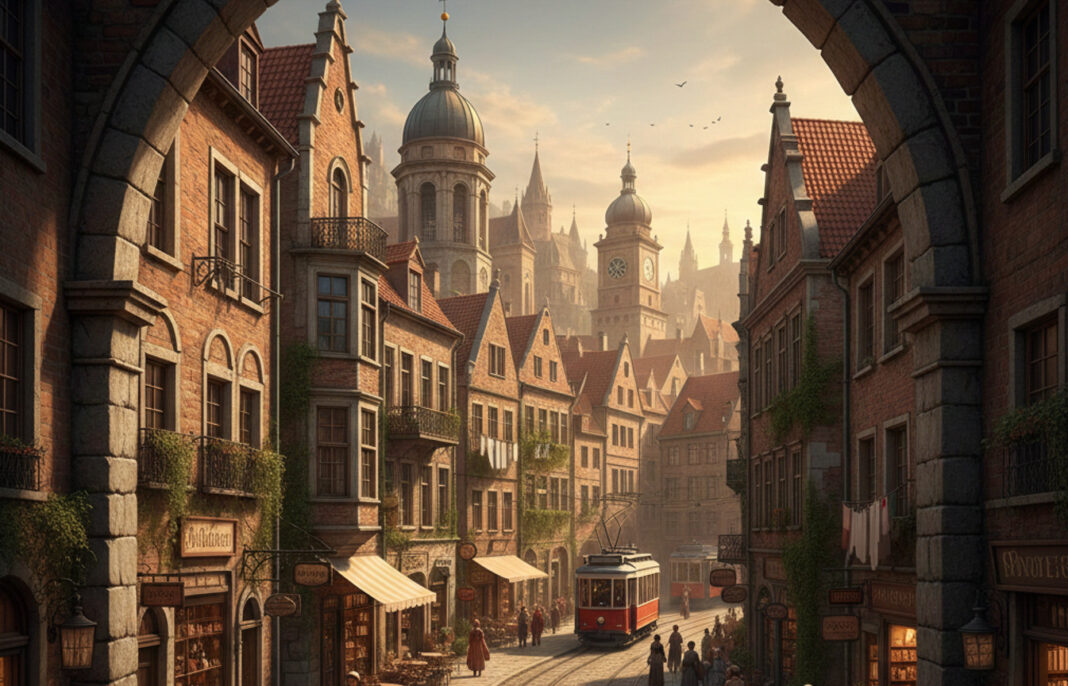
JilicityCityJili historical structures – Cities are often remembered for their skylines, landmarks, or modern attractions, but some places tell their stories in a quieter, deeper way—through the very buildings that line their streets. JilicityCityJili historical structures represent exactly this kind of living heritage. Rather than being confined to a single monument or museum, history in JilicityCityJili is embedded in its built environment, making the entire city a narrative of time, culture, and identity.
This complete guide explores the significance, diversity, and cultural value of JilicityCityJili historical structures, explaining why they matter to scholars, travelers, and local communities alike. By understanding these structures, we gain insight not only into the city’s past, but also into how architectural heritage shapes present and future identity.
Understanding JilicityCityJili Historical Structures
When we talk about JilicityCityJili historical structures, we are not referring to isolated ruins or a handful of preserved landmarks. Instead, the term encompasses a wide range of buildings, streetscapes, and architectural forms that have survived across generations.
These structures reflect:
- Different historical periods
- Shifts in political and cultural influence
- Evolving construction techniques
- Community values and traditions
What makes JilicityCityJili unique is that its history is not hidden behind glass displays. It is lived, walked, and experienced daily.
Why Built Heritage Matters More Than Ever?
Architecture as Cultural Memory
Architecture acts as a physical record of human experience. The JilicityCityJili historical structures function as a collective memory, preserving stories that might otherwise fade with time. Every archway, courtyard, and facade represents decisions made by people who once lived, worked, and dreamed in the same spaces.
Unlike written records, buildings:
- Cannot be easily rewritten
- Carry visual and emotional impact
- Connect generations through shared spaces
This makes architectural heritage especially powerful.
Identity and Belonging
For local residents, JilicityCityJili historical structures are more than tourist attractions—they are symbols of belonging. Familiar streets and long-standing buildings help anchor identity, offering continuity in a rapidly changing world.
For visitors, these structures provide a sense of authenticity that modern developments often lack.
A City Where Every Street Tells a Story
One of the defining characteristics of JilicityCityJili historical structures is their integration into everyday urban life. History is not separated from the present; it coexists with it.
You might find:
- Traditional homes adapted for modern use
- Old civic buildings still serving public functions
- Historic marketplaces operating alongside contemporary shops
This layering of time creates a cityscape where the past remains relevant rather than frozen.
Architectural Influences and Styles
Early Foundations
The earliest JilicityCityJili historical structures reveal practical design choices shaped by climate, available materials, and social organization. Thick walls, shaded walkways, and communal spaces reflect both environmental adaptation and community-oriented living.
These early structures emphasize:
- Durability
- Functionality
- Collective use over individual display
Periods of Cultural Exchange
As JilicityCityJili developed, external influences left their mark. Trade, migration, and political shifts introduced new architectural ideas that blended with local traditions.
This resulted in:
- Hybrid design elements
- Decorative details layered onto older forms
- Structural innovations without abandoning tradition
Such blending is a key feature of JilicityCityJili historical structures, making them valuable to architectural historians.
Later Historical Layers
More recent historical periods introduced additional styles while still respecting the city’s established character. Rather than erasing the old, new structures often adapted to existing layouts, maintaining visual and cultural continuity.
Walking Through Living History
To explore JilicityCityJili historical structures is to experience history at a human scale. Instead of viewing artifacts behind barriers, visitors engage with:
- Streets shaped by centuries of use
- Buildings worn by time, not replaced by it
- Spaces that still serve social and economic roles
This immersive experience transforms cultural tourism from observation into participation.
The Role of Documentation and Preservation
Why Documentation Matters?
Documenting JilicityCityJili historical structures is essential for safeguarding them. Accurate records help:
- Preserve architectural knowledge
- Support restoration efforts
- Educate future generations
Without documentation, many subtle details—construction methods, symbolic designs, spatial relationships—risk being lost.
Preservation Beyond Restoration
Preservation does not always mean returning a building to its original state. In JilicityCityJili, preservation often focuses on:
- Adaptive reuse
- Structural reinforcement
- Maintaining original character while allowing modern function
This approach ensures that historical structures remain useful and valued, not abandoned relics.
Cultural Tourism and JilicityCityJili
From a tourism perspective, JilicityCityJili historical structures represent a niche but meaningful attraction. Rather than mass tourism centered on single landmarks, the city offers:
- Slow, experiential exploration
- Cultural depth over spectacle
- Authentic engagement with place
Travelers drawn to heritage, architecture, and cultural storytelling find JilicityCityJili especially rewarding.
Academic and Educational Value
Scholars across disciplines—architecture, history, anthropology, urban studies—find JilicityCityJili historical structures rich with research potential.
These structures offer insight into:
- Urban development over time
- Social organization and daily life
- Cultural resilience and adaptation
Because the city’s heritage is spread throughout its environment, it provides a holistic case study rather than a fragmented one.
The SEO and Visibility Perspective
Focusing on the keyword jilicitycityjili historical structures serves more than just academic or cultural purposes. From an SEO standpoint, it:
- Highlights an underrepresented destination
- Attracts highly interested, niche audiences
- Encourages deeper engagement and longer reading time
This kind of targeted visibility helps bring attention to places that deserve recognition but may not yet be widely known.
Challenges Facing JilicityCityJili Historical Structures
Despite their value, these structures face ongoing challenges:
- Urban development pressure
- Environmental wear
- Lack of awareness or funding
Balancing modernization with preservation is a delicate task. Recognizing the importance of JilicityCityJili historical structures is the first step toward protecting them.
The Future of JilicityCityJili’s Built Heritage
Looking ahead, the future of JilicityCityJili historical structures depends on collaboration:
- Local communities valuing their heritage
- Scholars continuing research and documentation
- Visitors engaging respectfully
- Policymakers supporting sustainable preservation
When these elements align, historical structures can remain vibrant parts of the city rather than fading memories.
Frequently Asked Questions (FAQs)
1. What are JilicityCityJili historical structures?
JilicityCityJili historical structures refer to the city’s built heritage, including buildings, streets, and architectural forms that reflect its cultural and historical development over time.
2. Why are these structures important?
They preserve cultural memory, shape local identity, and offer authentic historical experiences for residents and visitors alike.
3. Are JilicityCityJili historical structures limited to famous landmarks?
No. Many are everyday buildings and streetscapes, making the entire city a living historical environment.
4. How do these structures support cultural tourism?
They encourage immersive, experience-based tourism focused on history, architecture, and cultural storytelling rather than mass attractions.
5. How can JilicityCityJili historical structures be preserved?
Through documentation, adaptive reuse, community engagement, and sustainable urban planning that respects historical character.
Final Thoughts
JilicityCityJili historical structures remind us that heritage is not confined to museums or isolated monuments. It lives in streets we walk, buildings we enter, and spaces we share. By recognizing, documenting, and valuing these structures, we protect more than architecture—we preserve identity, memory, and meaning.