



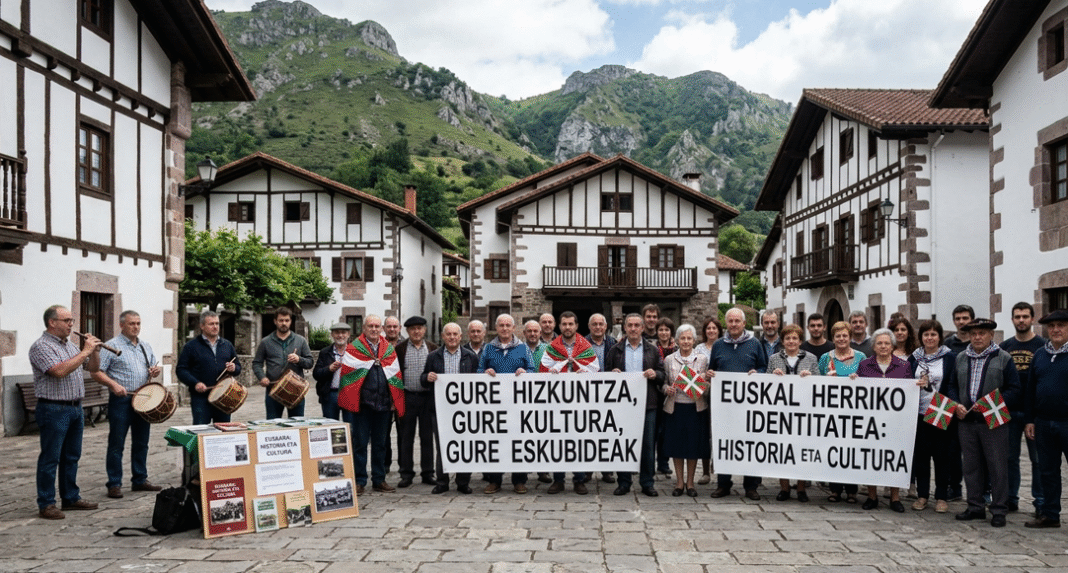
The term basqueserpartists is often associated with movements and ideas related to the Basque people, a distinct ethnic group in northern Spain and southwestern France. Historically, the Basques have sought to preserve their unique language, culture, and autonomy. The word basqueserpartists is commonly used to describe those advocating for Basque identity, cultural revival, and sometimes political independence. This article explores the historical, cultural, and modern aspects of basqueserpartists, offering a comprehensive understanding for students, researchers, and enthusiasts of European history and culture.
Who Are the Basques?
The Basques are an ancient ethnic group known for their distinct language, Euskara, which is unrelated to any other European language. They inhabit the Basque Country, a region straddling northern Spain and southwestern France. Over centuries, the Basques have maintained a strong sense of identity through their language, traditions, and customs. Their unique culture has often placed them in tension with central governments seeking assimilation.
Historical Background of Basqueserpartists
The term basqueserpartists refers to individuals or groups historically advocating for Basque autonomy or independence. The movement emerged in response to centralization policies and cultural suppression, particularly under regimes like Francoist Spain, which restricted Basque language and traditions.
One of the most notable organizations historically linked to Basque separatism is ETA (Euskadi Ta Askatasuna). Founded in 1959, ETA sought Basque independence through political activism and, at times, armed struggle. Despite its violent history, ETA declared a permanent ceasefire in 2011 and disbanded in 2018, marking a shift toward peaceful advocacy within the Basque region.
Basqueserpartists and Cultural Identity
Beyond political separatism, basqueserpartists also refers to efforts aimed at preserving and promoting Basque culture. This includes:
- Language Preservation: Promoting Euskara in schools, media, and daily life.
- Traditional Festivals: Celebrating Basque music, dance, and local customs.
- Art and Literature: Supporting Basque artists, writers, and creative movements that reflect regional identity.
Cultural advocacy remains central to the basqueserpartists ethos, highlighting a commitment to maintaining a unique identity in a rapidly globalizing world.
Modern Context of Basqueserpartists
Today, basqueserpartists can refer to individuals and organizations pursuing Basque autonomy through nonviolent political and cultural channels. Modern advocacy includes:
- Political Representation: Regional parties promoting greater autonomy or self-governance.
- Educational Programs: Schools and universities emphasizing Basque language and culture.
- Community Initiatives: Local organizations and NGOs supporting cultural preservation.
The shift from militant approaches to peaceful advocacy has allowed basqueserpartists to gain broader acceptance and legitimacy in European politics.
Importance of Understanding Basqueserpartists
Understanding basqueserpartists is crucial for several reasons:
- Historical Insight: Offers a lens into the Basque struggle for autonomy and identity.
- Cultural Appreciation: Highlights the rich heritage of one of Europe’s oldest ethnic groups.
- Political Awareness: Provides context for regional autonomy movements within Spain and France.
- Social Understanding: Demonstrates how cultural preservation intersects with modern governance.
- Global Relevance: Serves as an example of how minority groups navigate identity, culture, and politics in the modern world.
Key Challenges Faced by Basqueserpartists
While the movement has evolved, basqueserpartists still face challenges:
- Political Tensions: Balancing regional autonomy with national laws and policies.
- Language Preservation: Ensuring younger generations speak and understand Euskara.
- Cultural Globalization: Protecting traditional practices from being diluted by global culture.
- Economic Integration: Ensuring that Basque identity aligns with modern economic and social systems.
Addressing these challenges requires strategic cultural, educational, and political initiatives.
How Basqueserpartists Influence Society?
The influence of basqueserpartists is evident in:
- Regional Governance: The Basque Autonomous Community enjoys significant self-governance compared to other Spanish regions.
- Cultural Revival: Increased promotion of Basque festivals, sports, and arts.
- Political Representation: Basque parties play an active role in regional and national parliaments.
- Tourism and Education: Cultural heritage sites and Basque language programs attract interest and preserve traditions.
Through these avenues, basqueserpartists contribute meaningfully to social cohesion and cultural vitality.
FAQ’s About Basqueserpartists
1. Who are the basqueserpartists?
Basqueserpartists are individuals or groups advocating for Basque cultural preservation, autonomy, or independence.
2. What is the historical significance of basqueserpartists?
They played a key role in preserving Basque identity and language during periods of political repression, especially under Francoist Spain.
3. How do basqueserpartists promote culture today?
Through educational programs, festivals, arts, and political advocacy that highlight Basque language and traditions.
4. Are basqueserpartists still associated with ETA?
No, modern basqueserpartists primarily pursue nonviolent, political, and cultural advocacy, while ETA has been disbanded.
5. Why is understanding basqueserpartists important?
It provides insights into European regional movements, cultural preservation, and the balance between identity and governance.
Conclusion
The term basqueserpartists encapsulates both a historical and contemporary movement dedicated to the preservation of Basque culture, language, and political autonomy. From militant struggles in the past to modern peaceful advocacy, basqueserpartists continue to shape the identity and governance of the Basque region. Understanding this movement provides valuable insight into how minority groups preserve culture and pursue autonomy in complex political and social environments.
By studying basqueserpartists, we gain appreciation for the resilience of the Basque people and the importance of cultural preservation in shaping regional and national identity.