



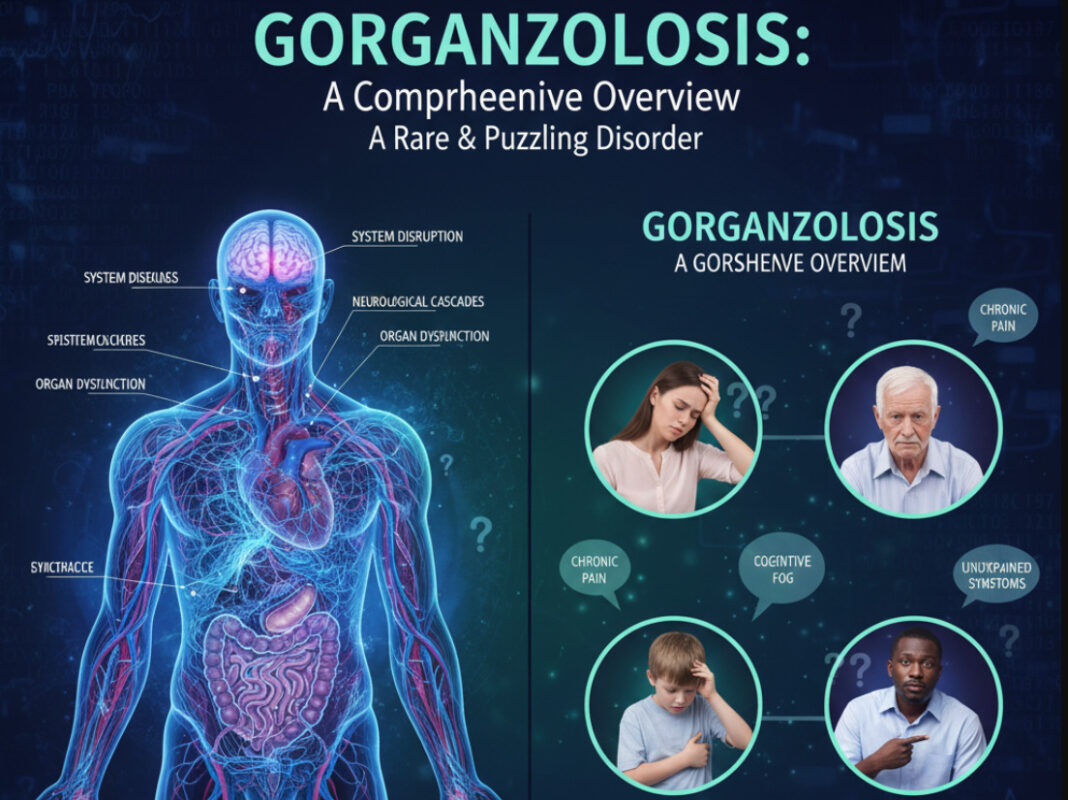
Have you ever come across a term that piqued your curiosity, leaving you eager to uncover its secrets? Gorganzolosis is one such intriguing phenomenon. This medical condition may not be widely familiar, but it carries significant implications for those affected. As we delve into the world of Gorganzolosis, you’ll discover its definition, symptoms, causes, and more. Whether you’re seeking information for yourself or a loved one, this comprehensive guide will illuminate everything you need to know about understanding and managing this unique health issue. Prepare to embark on an enlightening journey through the intricacies of Gorganzolosis!
Understanding the Meaning and Symptoms of Gorganzolosis
Gorganzolosis is a rare condition that often puzzles both patients and healthcare providers. At its core, it disrupts normal bodily functions, leading to various symptoms. Understanding this disorder requires recognizing how it manifests in individuals.
Symptoms can vary widely but may include fatigue, digestive issues, and unexplained skin changes. Some people experience muscle weakness or joint pain. These signs can be subtle at first but might intensify over time.
The unpredictability of Gorganzolosis makes it challenging for those affected to navigate daily life. The emotional toll can be just as significant as the physical symptoms. Individuals often feel isolated due to their experiences and the lack of awareness surrounding this condition.
Awareness is crucial for early detection and management of Gorganzolosis. By understanding its meaning and symptoms, patients can seek appropriate help sooner rather than later.
Common Causes of Gorganzolosis
Gorganzolosis is often linked to a variety of factors, making it essential to understand its common causes. Genetic predisposition plays a significant role. Individuals with a family history may be more susceptible.
Environmental influences cannot be overlooked either. Exposure to certain toxins or pollutants has been associated with the onset of Gorganzolosis in some cases.
Infections are another contributing factor. Certain viral or bacterial infections have shown correlations with symptoms related to Gorganzolosis.
Lifestyle choices can also impact risk levels. Poor diet and lack of exercise might exacerbate underlying conditions that lead to this disorder.
Stress management is crucial. Chronic stress can weaken the immune system, potentially triggering symptoms of Gorganzolosis in vulnerable individuals. Understanding these causes helps in better managing health outcomes related to this condition.
Diagnosis and Treatment Options
Diagnosing Gorganzolosis often begins with a thorough evaluation by a healthcare professional. They will review your medical history and conduct various tests to rule out other conditions. Blood tests, imaging studies, or biopsies may be ordered depending on the symptoms presented.
Once diagnosed, treatment options can vary widely based on severity and individual needs. Medications such as anti-inflammatories might help manage discomfort. In some cases, more advanced therapies like physical rehabilitation are recommended to regain mobility.
Lifestyle modifications play an essential role in managing this condition. A balanced diet combined with regular exercise can significantly improve outcomes for patients. Support groups and counseling might also provide emotional relief for those affected by Gorganzolosis.
Staying informed about the latest research is crucial as new therapies emerge continually in this field of study. Each patient’s journey is unique; hence personalized care plans are vital for effective management.
Preventing Gorganzolosis
Preventing Gorganzolosis begins with awareness. Understanding the condition is crucial for early detection and management.
Maintaining a balanced diet rich in nutrients can bolster your immune system. Incorporating fruits, vegetables, and whole grains provides essential vitamins that may help reduce risk factors.
Regular physical activity also plays a significant role. Engaging in moderate exercise increases overall health and resilience against various conditions, including Gorganzolosis.
Stay hydrated too. Drinking plenty of water supports optimal bodily functions and helps flush out toxins.
Moreover, routine medical check-ups are vital. These appointments allow healthcare providers to monitor any changes in your health status effectively.
Stress management techniques like yoga or meditation can enhance well-being as well. Mental clarity often translates to better physical health outcomes.
Educate yourself on symptoms associated with Gorganzolosis so you can seek help promptly if needed.
Myths and Misconceptions about Gorganzolosis
Gorganzolosis is often shrouded in misunderstandings. Many people believe it only affects the elderly, but individuals of all ages can be affected.
Another common myth is that Gorganzolosis is contagious. In reality, it cannot be transmitted from person to person. Awareness and education are essential for dispelling these misconceptions.
Some think that lifestyle choices have no impact on the condition’s development. However, certain factors like diet and stress levels can play a significant role in symptom management.
There’s also a belief that treatment options are limited or ineffective. This couldn’t be further from the truth; various therapies exist to help manage symptoms effectively.
Understanding what Gorganzolosis truly entails helps reduce fear and stigma surrounding this condition, encouraging those affected to seek support without hesitation.
Living with Gorganzolosis: Tips for Patients and Caregivers
Living with Gorganzolosis can be challenging, but there are ways to make daily life easier. Establishing a consistent routine is essential. This helps both patients and caregivers manage symptoms effectively.
Encourage open communication between the patient and their healthcare team. Sharing concerns can lead to better treatment adjustments and emotional support.
Incorporating stress-relief practices like meditation or light exercise can significantly improve well-being. Simple activities such as walking or yoga may help alleviate some discomfort.
It’s also vital for caregivers to take care of themselves. Support groups provide a space for sharing experiences, advice, and understanding from others in similar situations.
Keeping a symptom diary may aid in recognizing triggers or patterns related to Gorganzolosis. This information proves invaluable during medical appointments.
Fostering connections with friends and family creates a strong support network that uplifts spirits on tough days.
Conclusion
Gorganzolosis can be a perplexing condition, influencing many aspects of daily life. Understanding it is the first step towards better management and care.
Knowledge empowers patients and caregivers to navigate this journey with confidence. Awareness of symptoms can lead to early diagnosis, which is crucial for effective treatment.
Support systems play a vital role in coping with Gorganzolosis. Connecting with others who share similar experiences fosters community and empathy.
Information is key, but emotional well-being should also be prioritized. Mindfulness practices or counseling may help alleviate stress related to the condition.
Ongoing research continues to shed light on Gorganzolosis, fostering hope for improved treatment options in the future. Staying informed about advances can inspire optimism among those affected by this enigmatic ailment.
5 Faqs About Gorganzolosis
1. What is Gorganzolosis?
It is a rare health condition characterized by specific symptoms and underlying causes that vary from person to person.
2. What are the primary symptoms of Gorganzolosis?
Symptoms typically include fatigue, discomfort in certain areas, and other signs depending on individual variation.
3. How is Gorganzolosis diagnosed?
Diagnosis often involves medical history reviews, physical examinations, and sometimes imaging tests or laboratory work.
4. Are there effective treatments available for Gorganzolosis?
Treatment options may vary based on severity but generally encompass medication management, lifestyle changes, and supportive care strategies.
5. Can I prevent Gorganzolosis?
While not all factors are controllable, maintaining overall health through regular check-ups and healthy habits can reduce risks associated with developing this condition.